
Debrief: Jarace Walker had three seasons in one. Can he turn in his best for 82 games?
Game 1 and Game 82 Jarace Walker were drastically different players.
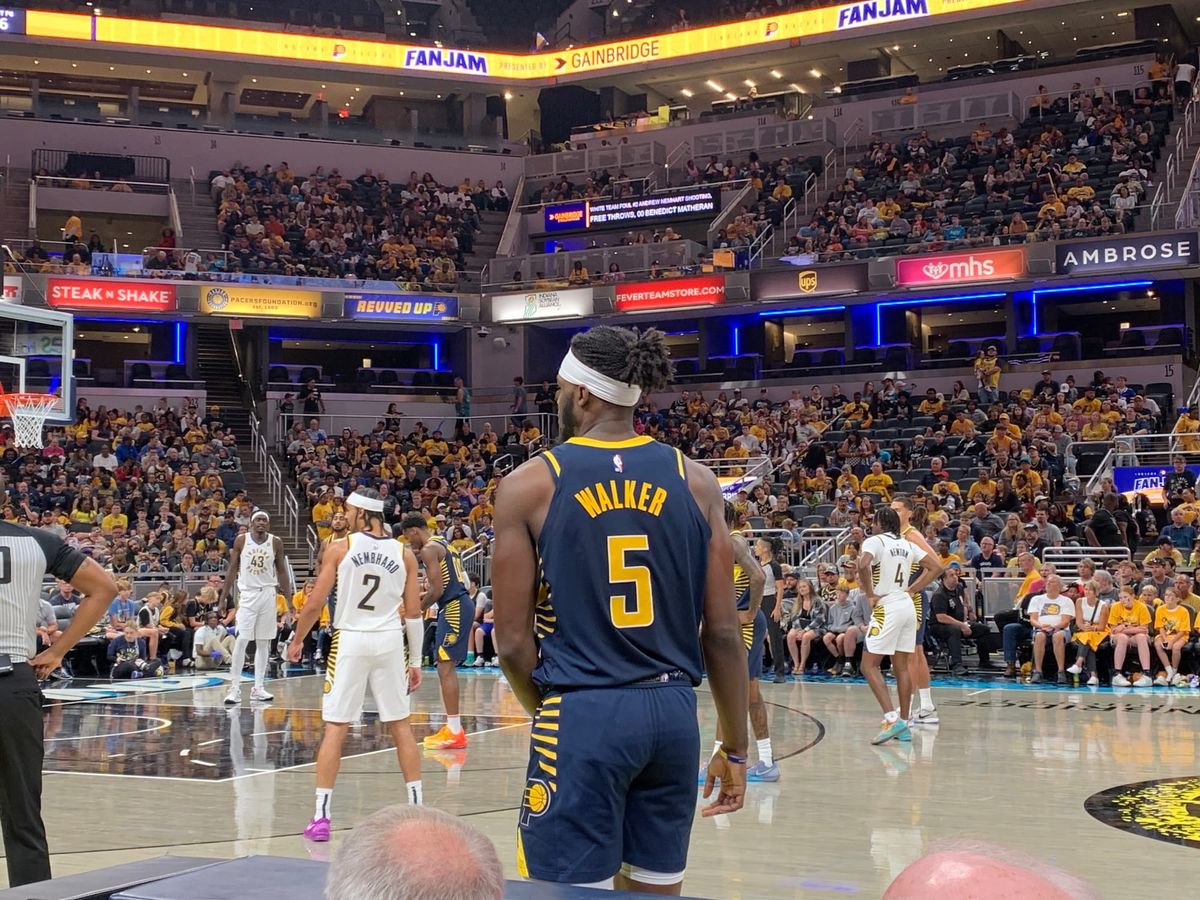
INDIANAPOLIS – Jarace Walker felt his confidence turn when the Pacers went to Houston for a road game just over one-third of the way through the 2025-26 season. It was December 29 and the Pacers 33rd game of the season when they visited the Rockets.
Walker played his college basketball in Houston and was able to connect with his former head coach with the Cougars, Kelvin Sampson, while on that trip. His improvements afterward were almost immediately obvious. "It was an away game. I had a decent game. And then from there I felt like I was just comfortable," Walker said of his turning point in year three. "That game, I was just playing. I was in a good spirit, good vibes. But I wasn't thinking. I was just hooping. And I feel like from then on, it's just been about not having any expectations going into the game. Just going in, playing hard, playing the right way, and letting my instinct take over."
That night, Walker finished with 12 points and three assists while shooting 5/7 from the field. It was just after the one-third mark of the season, a near-perfect cutoff for the segmented 2025-26 campaign Walker had. The young forward really had three seasons in one, showing improvement along the way after a dreadful start.
 Tony East
Dreadful might be too kind. Walker shot above 50% from the field just twice in his first 14 games. He had one game shooting better than 55% before December – right around Thanksgiving – and had a four-game road trip in which he had 11 turnovers and eight made shots.
It was rough. He took a social media break. "Obviously I haven't played as well as I could be," Walker said at the time.
Walker's stats through the Pacers first 28 games: 9.4 points, 4.8 rebounds, and 2.0 assists per game while shooting 34.4% from the field and 30.8% from deep. The Pacers were so injured that they kept giving Walker chances, but in a situation with normal health he may have lost his rotation spot.
Game 28 was on December 20. Nine days later, Walker went to Houston for that fateful trip, one that changed his season. He was almost immediately more impactful, more efficient, and more reliable. There were moments in January during which it felt like Walker couldn't miss from three.
That marked the second-third of Walker's season. Some of his production stayed about the same – his per-game rebounding (4.1) and assist (1.9) numbers actually dropped slightly from the first 28 games. But in those next 26 games, up to the All-Star break, Walker's scoring and efficiency were far better. He scored 11.7 points per game on 46.8% shooting from the field and 43.4% from long range.
Would efficient Walker or inefficient Walker show up after the All-Star break? In some ways, both. He found the average when it came to shot making. But thanks to injuries and opportunity, he was able to enhance his production in every other way.
Post All-Star, Walker shot 44.8% from the field and 39.2% from deep. Those are solid numbers and would have been a positive close to the season for the third-year forward regardless of other outputs. But he did way more than score down the stretch – Walker averaged 14.4 points, 6.8 rebounds, and 3.9 assists per game in the Pacers final 27 games. The force on the glass that the Pacers have been looking for from him was there. His passing was better, and his turnovers were managed even if still visible.
That's how Walker put three seasons into one. His start was poor, the middle was efficient, and the end was well rounded. He showed, at times, everything he is capable of – both on the high and low ends.
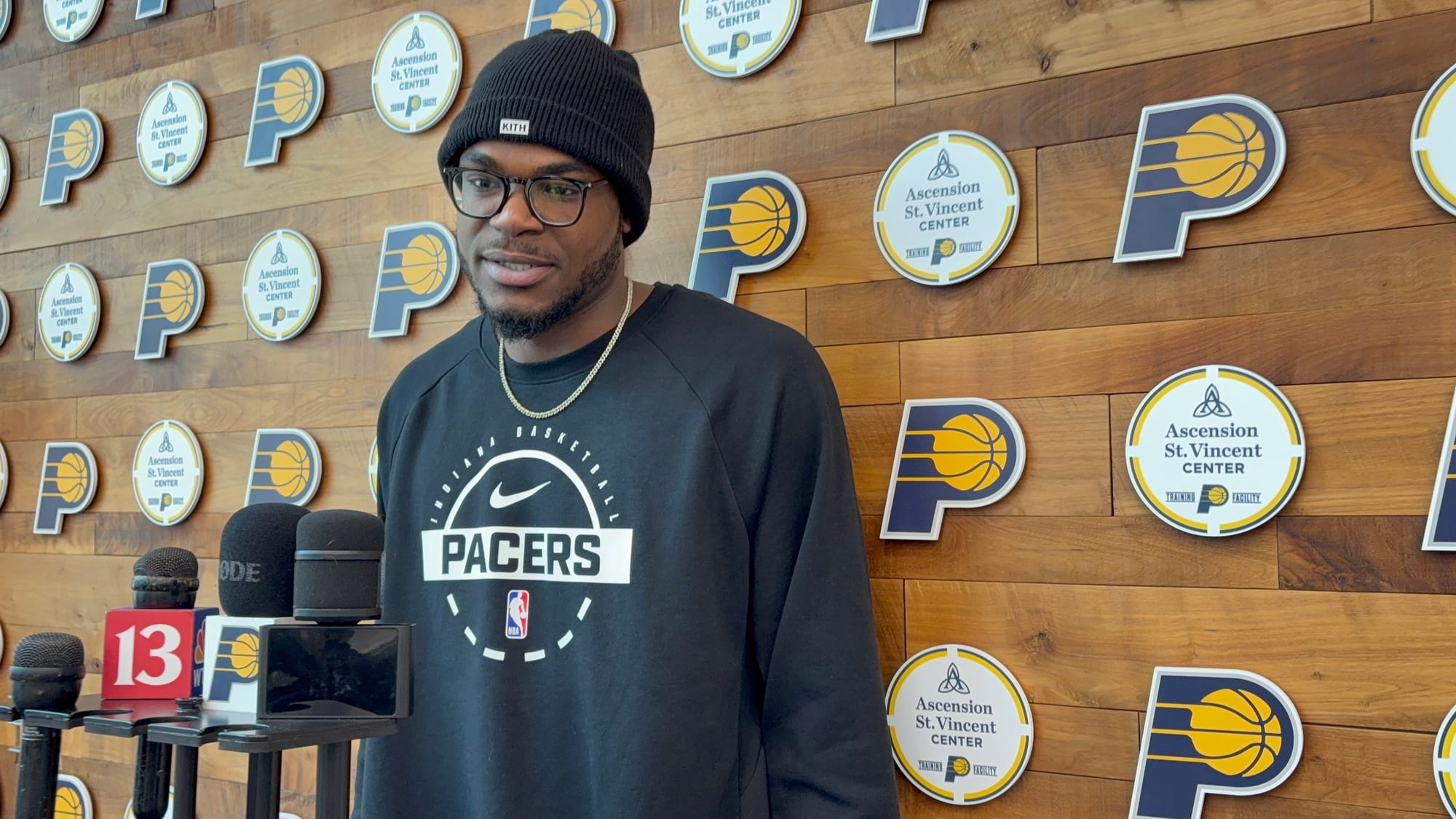
"Early on was tough, just adjusting to having so much more on my plate. So that was different," Walker said at his exit interview of his segmented season. "And then once I got my footing, trying to figure out the best way to continue to grow, to continue to keep getting better, keep impacting the basketball games and just trying to do the best I can to just bring joy and good basketball to the team."
Walker trimmed his turnovers, especially the head-scratching ones, along the way. He went from a player that the Pacers shouldn't even consider giving minutes to next season to one that they can't possibly have sitting on the bench. Even if Walker is the 10th man in 2026-27, his skillset is valuable. He needs to play.
That is, the version of Walker that showed up for the final two-thirds of the most recent season needs to play. The next step for the 22-year old is, naturally, some consistency. Within each segment of Walker's third year, he was somewhat even. But pick two random games from his season out of a hate and odds are they will have been wildly different.
For season four to be a success for Walker, that needs to not be the case. He has to be reliable. And he can be – he was mostly good for the Pacers final 45-50 games. But it's important that number climbs much, much closer to 82 next season.
That Walker even had chances to grow is a testament to his health during an otherwise brutal injury season for the Pacers. He played in 76 games and grew quite a bit from the start of the season to the end. Even with his early season struggles, he finished the season with the second-most minutes played on the Pacers roster, and that could pay off for the team long term if it leads to consistency next year.
"It was amazing. It was so beautiful. And I'll never take this year for granted because I've grown so much throughout this season," Walker said. "That's because I've been able to play through mistakes, play with different lineups, play with different people that I've never played before. So it's been beautiful. It's been a blessing in disguise, for sure."
Thank you for reading. I'll do one of these stories for every Pacers player, plus scouting reports for the top draftees and Fever stories on this website. Hope you enjoy. Sign up below to not miss any of them.

Comments ()