
Debrief: Even with challenging circumstances to start career, Kam Jones must show more with Pacers
Kam Jones had a turbulent first NBA season.
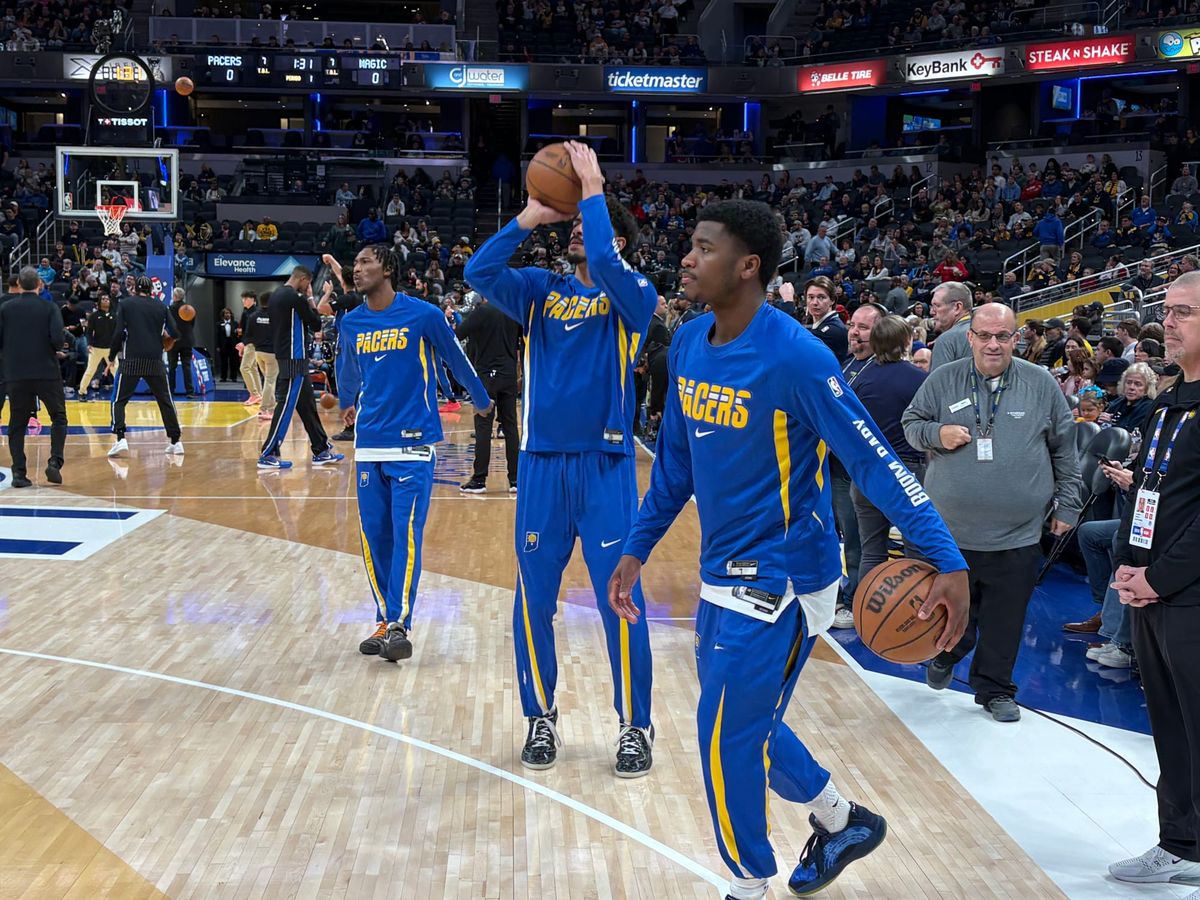
INDIANAPOLIS – Before training camp even started for the Pacers, Kam Jones was injured. He suffered a stress reaction in his back during the offseason and was sidelined for multiple months to kick off his NBA journey.
Jones wasn't healthy until mid-December and played for the first time around Christmas. He missed over one-third of the season thanks to an injury that took place before his career even started. And it held him out at an especially brutal time – Jones was sidelined while all of Andrew Nembhard, T.J. McConnell, and Quenton Jackson were also recovering from various ailments.
RayJ Dennis and Monte Morris were getting serious minutes. It would have been the perfect time for the Pacers to throw Jones to the wolves and see what he could do, and it could have been valuable development time for the rookie guard.
 Tony East
Instead, he waited. And by the time he was available, all of Nembhard, McConnell, and Jackson were back in the fold. Jones played for more than 10 minutes in a game just three times before February.
And that all just accounts for his health. Jones also was arrested less than a week before the Pacers season started, charged with reckless driving and resisting law enforcement. No charges were ever filed. Jones was apologetic and embarrassed after the incident.
"Deeply sorry to the Pacers organization and the fans," Jones shared, explaining that he'd never been through anything like that before. "Definitely a mistake that I've learned from."
Those comments from Jones were his first of the season. Outside of summer league practices, he didn't speak to reporters until reacting to his arrest. It was noble that he did it, but also needed.
And it was another part of the difficult start Jones had to his NBA career. "Well, starting off the floor, there was obviously a lot going on," Jones said when discussing the beginning portion of his first season. "The whole speeding situation before the season, going through all that. Then, having to sit out the first 30-something games with a back injury, that was definitely something I would say I didn't expect."
From the jump, Jones was in a challenging spot. He was fighting for minutes after having his development delayed, then was playing catch up all year. And that was after a tough off-court moment.
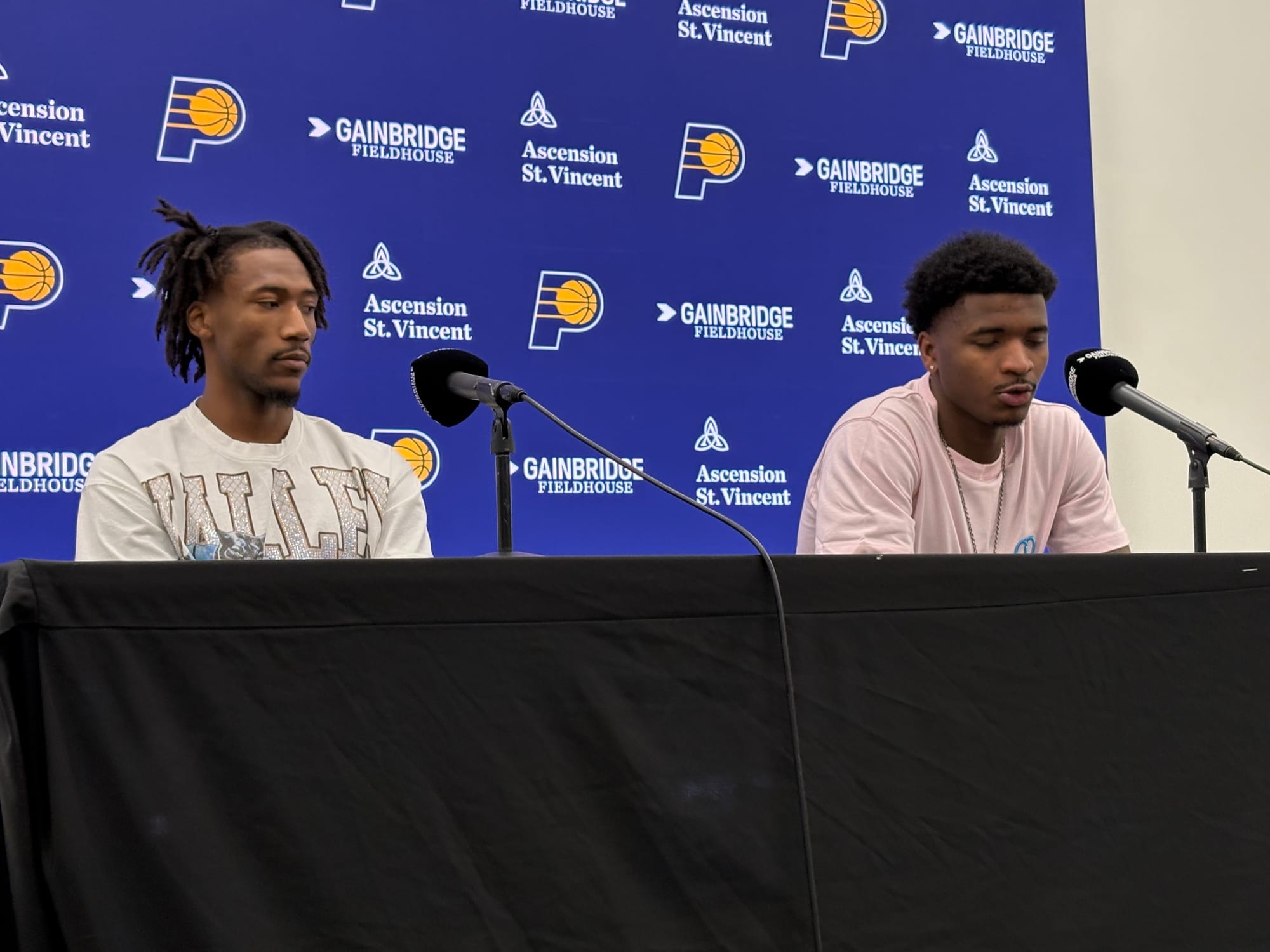
"It was interesting. It's already hard enough coming into the NBA," Jones said at his exit interview. "Off the floor, I'm a guy that kind of likes to stay below the radar and not be high maintenance and not have things like what happened occur. So that was an experience. Everybody makes mistakes. Learn from this and let this be something you learn once and it never happens again."
It's reasonable to wonder how much all of that clouded Jones' first season. He scored in double figures six times but only shot 50%-plus from the field in two of those games. He had three outings with double digit assists and was tidy-enough as a caretaker but rarely lifted the Pacers offensively on a team level – the team's offensive rating with Jones on the floor was three points per 100 possessions worse than with him off. (Obviously, he had fewer chances than others to play alongside the team's best players, but a 108.52 offensive rating speaks for itself).
Some of Jones' defensive flashes were impressive, though they weren't frequent. And they definitely weren't frequent enough to offset his efficiency challenges. Jones posted a 47.0% true shooting mark this season in 616 minutes. He was one of just eight players to have that low of a true shooting percentage and play over 500 minutes. Of that group, Jones had the second-fewest steals and fewest blocks.
He did rank fourth in assists. But this is all to say that so much of Jones' first season on the court traces back to his accuracy limitations. He's a very left-hand dominant player and couldn't create enough good looks for himself. It held him back in almost every way.
He seems to know it. When reflecting on his needed summer improvements, Jones mentioned using both hands. He also touched on a more consistent shot – those are the two most important growth areas heading into his second season. Two other skills Jones wants to improve: Making quicker reads and getting stronger.
With his contract 50% guaranteed, it's certainly possible that Jones gets a second season in the league. Better health, and a more refreshing start, could set him up for more success – and Jones needs more success in year two. The Pacers are contenders. They can't wait too long for their young players to develop. Johnny Furphy and Ben Sheppard, just as two examples, showed much more immediate pop when joining the NBA.
Jones has to show more in year two if he wants to stick with the Pacers franchise long term. "It was a little up and down, a lot of roller coasters, not really knowing what to expect every game," Jones said of his first season. "But definitely, one thing I learned was being ready is another job within the job of being in the NBA and coming off the bench and not really knowing what to expect. But definitely was blessed to have some opportunities to go out there and make some plays my rookie year."
He did learn some important realities about the league after starting his career off in a hellish way. Better health and a fresh start may be what helps him grow next season. Whatever Jones needs, it has to lead to progress.
Thank you for reading. I hope you're enjoying these debriefs in rapid succession. More are coming, as are Fever gamers. Sign up to have them email right to you.
Comments ()