
Debrief: Micah Potter is a great shooter. How real that is defines his future with the Pacers.
Potter was a welcome surprise this past season.
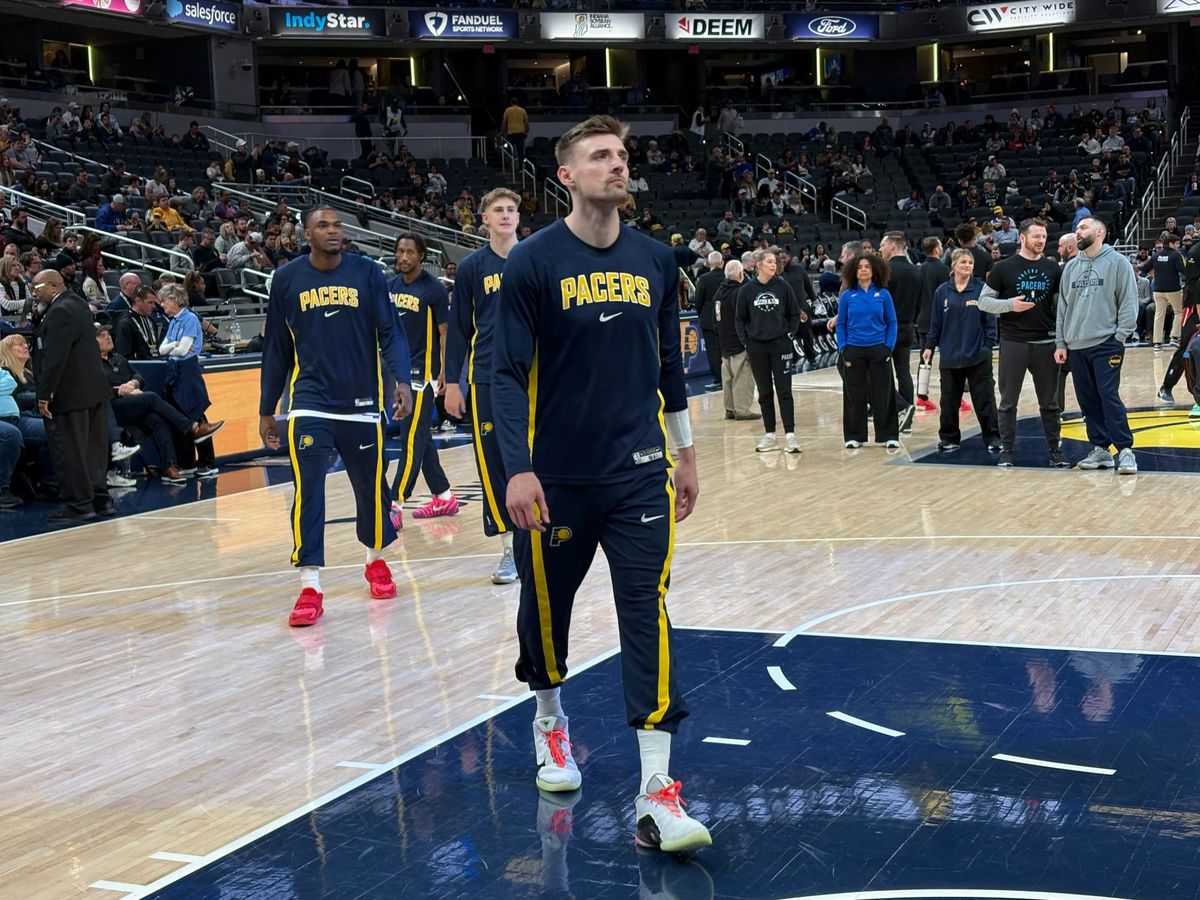
INDIANAPOLIS – When the Pacers signed Micah Potter, it wasn't clear if he'd be on the team for more than a few days. Isaiah Jackson and Tony Bradley were injured. James Wiseman was caught in a unique contract reality. The Pacers needed a stopgap center, so they added Potter.
Nearly six months later, Potter is still under contract. And he could be again next season – his deal contains a team option that's non-guaranteed for 2026-27. Team President Kevin Pritchard suggested he could still be around for the coming campaign. "Jay [Huff] and Micah will fight for that backup five," he said at the NBA Draft lottery back in May.
That Potter went from short-term answer to long-term possibility says everything about his season. While imperfect, he did things well at the five and added a new element that the team was lacking throughout much of the season.
 Tony East
Most centers of the Pacers recent past could shoot the ball or move well – in some cases both, but always one. For the Pacers this year, that was largely missing until Potter arrived. There were multiple non-Zubac games in which he was the most effective available five man.
By the end of the season, he was one of one. Literally. Here's a link to a stathead query from the 2025-26 season with the following inputs:
-Player was a center
-Player attempted at least 150 three-point shots
-Player made better than 40% of their outside shots
The list is just one player: Micah Potter. Drop the attempts qualifier down to 20 (basically, bigs who were willing to shoot and made better than 40%) and Luka Garza is the only player added. Drop the percentage qualifier to 39% with the same attempt minimum and the only player who joins Potter on the list is Kel'el Ware. Ware canned 39.5% of his triples. Potter? 42.3%.
It's fine if you want to chalk some of that up to a small sample size. Potter did play just 47 games this season. But he took a career-high 168 threes and is a 38.9% career long-range weapon. In the G League, he's at 39.8% with 655 attempts. The evidence suggests he's a very good shooter and terrific positional shooter.
That was a big part of his success with the Pacers. Beyond the jumper, Potter points to his own energy as something that made him a good fit with the blue and gold. "I think they enjoyed the energy that I brought. Got the fans involved, brought some joy back to the team. Because when I came in, we were in the middle of a pretty rough skid of losing," Potter said. "So I just tried to bring energy, play with a lot of heart, and bring some joy back."
Potter's history as a jumper shooter matters going forward. But threes are just one part of the game. There are other critical skills for centers that Potter needs to improve, particularly if he's going to compete for an every-night role with the Pacers.
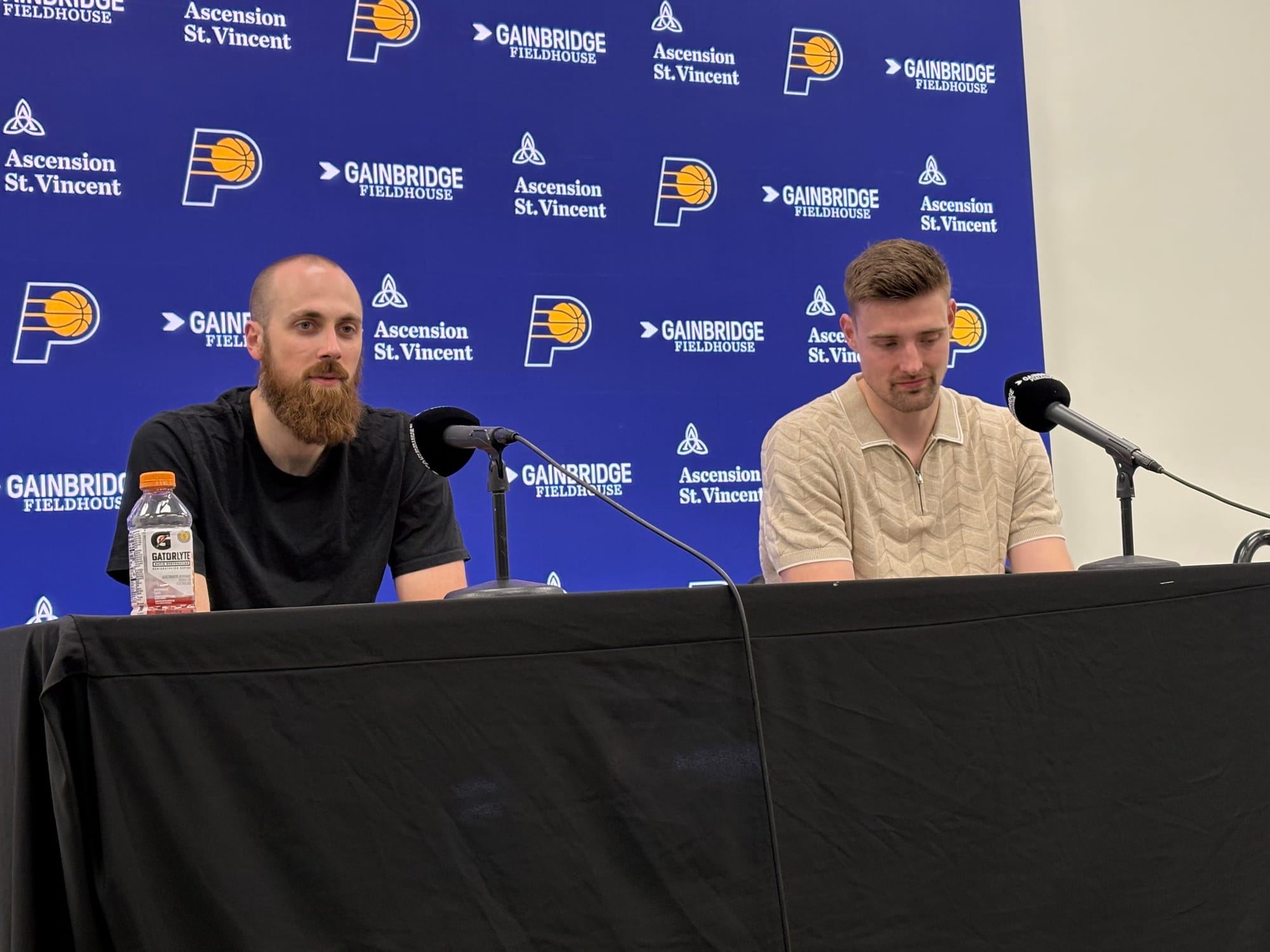
Defense is at the top of the list. Potter knows it and was the first to admit it on his worst defensive nights. He's one of the shortest players who plays almost exclusively center, though he does play bigger than his listed height. Pacers opponents shot over three percent better on two-point looks when Potter was on the floor vs off this season – not entirely on one player but certainly noteworthy from a big man.
Potter would also benefit from improvements as a screener and passer. These aren't weaknesses necessarily, but they are requirements for success within the Pacers system. That system did push Potter's assists per minute up near his career best mark, but his turnovers rose significantly.
All of those points of growth will matter if Pritchard's prediction for a backup center battle comes to pass. But none of those improvements will be important if Potter's jumper doesn't remain a strong weapon. Again, history says it will. And the reasons that he pointed to for his fit – energy and vibes, primarily – should stick around.
Potter loved that his opportunity with the Pacers came with consistent playing time. That gave him reps and, in turn, confidence. Even a 19-win season can offer a turning point for players who get more minutes.
"The mental side of this game is huge. Being confident when you're shooting the ball, being confident when you're making a pass, being confident when you're handling the ball, all that stuff matters," Potter said at his exit interview. "So I think confidence is the biggest thing."
It's good for the Pacers in that a more-confident Potter is better equipped to keep shooting well from deep than a less-confident one. His minutes not being a given may be a hurdle when it comes to opportunities, though, and that's why his growth in other skills is almost mandatory if his jumper fades at all.
Jay Huff, a teammate and one of Potter's best friends, is a believer. "Should have been on that contract a long time ago. Just letting you know," Huff said of Potter finally getting a full-season standard deal this year.
That's currently what Potter has for next season. He'll have to earn his contract, and his playing time, once again. He had little trouble doing so in year one with the Pacers, but that year came with few expectations and a guaranteed role. He'll be expected to make shots to get the same chances in year two.
Thank you for reading as this series keeps rolling. Tomorrow, we're talking about Aaron Nesmith. Sign up and the story, plus more on the Pacers and Fever, will be sent directly to your email inbox.

Comments ()